
Finding the Right Interior Designer in the Bay Area
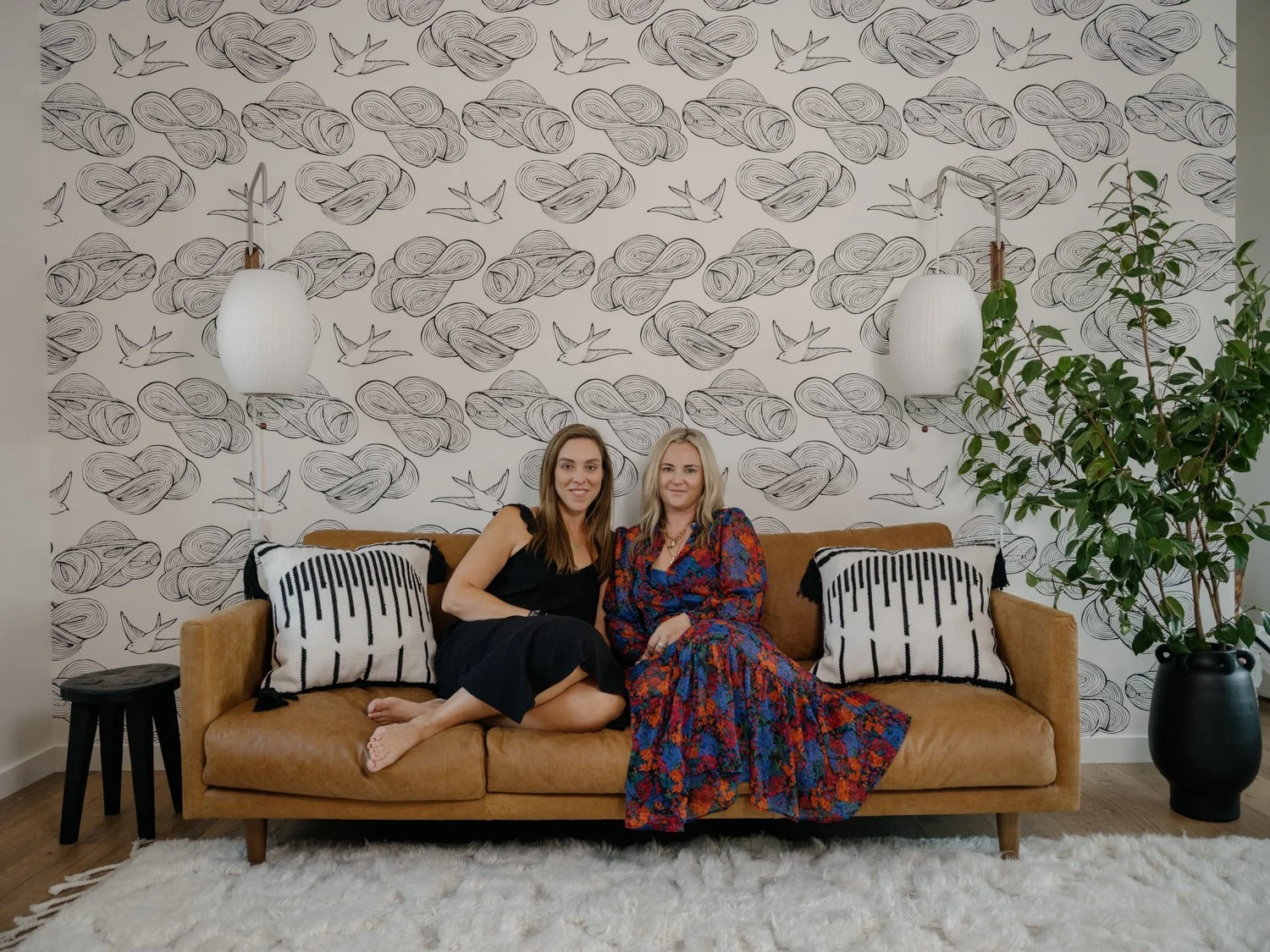
Planning a custom home or major renovation? Here's what to look for when choosing the right design partner.
Building a custom home or undertaking a major home renovation is one of the largest investments most homeowners will ever make. Choosing the right interior designer isn't simply about finding a portfolio you love, it's about finding a team that can guide hundreds of decisions over the course of an 18- to 36-month project.
In the Bay Area, you'll find talented designers with a wide range of specialties. Some focus on furnishings and styling. Others excel at historic renovations, kitchens and baths, or new construction. Understanding the difference between these approaches will help you choose a firm that's aligned with your goals, timeline, and level of project complexity.
At NASH Design Group, we specialize in full-service residential interior design for custom homes and large-scale renovations throughout Atherton, Menlo Park, Palo Alto, Hillsborough, San Carlos, and the greater San Francisco Bay Area. Our projects begin long before paint colors and furniture selections, they start during architectural planning, where many of the decisions that shape how a home functions are made.
What Is a Full-Service Interior Design Studio?
Not every interior designer offers the same level of service.
A decorating-focused studio may help furnish an existing home, while a full-service interior design firm manages every stage of the project, from the earliest planning meetings through construction, procurement, installation, and final styling. Full-service studios coordinate with architects, builders, consultants, and vendors to ensure every detail works together as one cohesive vision. This integrated approach has become increasingly valuable for complex renovations and new construction projects.
Typical services include:
Interior architecture and space planning
Kitchen and bathroom design
Cabinetry and millwork design
Lighting and electrical planning
Material and finish selections
Furniture, rugs, lighting, and accessories
Procurement and vendor management
Construction administration
Installation and styling
Style and Substance
A stunning portfolio should absolutely capture your attention, but it shouldn't be your only decision-making tool.
The best designers aren't defined by one recognizable style. They're defined by their ability to solve problems, understand how clients live, and create homes that feel personal rather than formulaic.
As you review portfolios, ask yourself:
Do the homes feel authentic to the families who live there?
Can the firm successfully design different architectural styles?
Do you see thoughtful detailing, not just attractive furnishings?
Are kitchens, bathrooms, and architectural spaces as strong as the living rooms?
Beautiful photography gets a project published. Thoughtful planning makes it a joy to live in.
Hire a Designer Before Construction Begins
This is the advice we give almost every homeowner.
If you're building a custom home or planning a major renovation, involve your interior designer as early as possible.
Many of the most important decisions happen before finishes are ever selected. Ceiling heights, room proportions, lighting locations, cabinetry dimensions, window placement, flooring transitions, and furniture planning all influence how your home will function for decades.
When these conversations happen during design development or framing, changes are typically straightforward.
Once drywall is installed, they're often expensive.
The earlier your designer collaborates with your architect and builder, the more opportunities there are to improve both the function and beauty of the home.
Choose a Team That Fits Your Project
Every design firm has strengths.
Understanding those strengths is more valuable than looking for a "best" designer.
For Custom New Construction
Look for a studio experienced in collaborating with architects and builders from the earliest stages of design.
You'll want a team comfortable reviewing plans, coordinating specifications, producing construction drawings, and thinking about how furniture, lighting, and architecture work together.
For Whole-Home Renovations
Choose a designer who understands how to balance existing architecture with modern living.
Renovations require constant problem-solving, flexibility, and experience making decisions while construction is underway.
For Furnishings and Styling
If your architecture is complete and you're primarily looking to furnish your home, a designer with strong procurement and installation capabilities may be the best fit.
The right firm depends on your project—not simply their Instagram following.
Ask About Their Process
One of the clearest indicators of a professional studio is a clearly defined process.
Before hiring a designer, ask questions like:
How many phases does your process include?
How are design decisions presented?
Who will be my primary point of contact?
How do you coordinate with architects and contractors?
How are budgets managed?
What happens if I change my mind?
How often should I expect meetings?
How do you communicate during construction?
A well-organized process creates a better experience for everyone involved.
Pay Attention to the Relationship
Your designer will become one of your closest collaborators over the next one to three years.
Technical expertise matters.
Creativity matters.
But so does trust.
The best client relationships aren't built on constant approvals or daily communication. They're built on mutual respect, thoughtful collaboration, and confidence in each other's expertise.
After all, you're not simply hiring someone to select finishes.
You're hiring someone to help shape the way you'll live for years to come.
Questions to Ask
Before signing a contract, consider asking:
Have you completed projects similar to mine?
When do you prefer to become involved?
Do you collaborate directly with architects and builders?
How do you manage procurement and vendor coordination?
What does your project management process look like?
Who will I work with day to day?
What level of client involvement do you expect?
How do you keep projects on schedule?
The answers will tell you as much about the firm's communication style as they do about its design philosophy.
Why Homeowners Choose NASH Design Group
At NASH Design Group, we believe the best homes come from thoughtful planning, strong collaboration, and timeless design, not trends.
Our team specializes in luxury new construction and whole-home renovations throughout Atherton, Menlo Park, Palo Alto, Hillsborough, San Carlos, and the greater San Francisco Bay Area. We partner with architects, builders, and homeowners from the earliest planning stages through final installation, creating homes that are beautiful, highly functional, and designed to evolve with the families who live in them.
Whether you're building from the ground up or reimagining your forever home, our goal is the same: to create spaces that feel effortless, personal, and built to last.
Frequently Asked Questions
What is a full-service interior design studio?
A full-service interior design studio manages every aspect of a residential design project, including space planning, finish selections, custom cabinetry, lighting, furniture procurement, construction coordination, installation, and final styling. Unlike decorating-only services, full-service firms work closely with architects and contractors throughout the entire project lifecycle.
When should I hire an interior designer?
Ideally, before architectural plans are finalized. Early collaboration allows the design team to influence room layouts, lighting, cabinetry, ceiling heights, and countless other decisions that become expensive to change once construction begins.
Is a full-service interior designer worth it?
For custom homes and large renovations, a full-service design team can improve project coordination, reduce costly revisions, simplify decision-making, and create a more cohesive final result by managing both design and execution.
Do I need a different interior designer for new construction versus a renovation?
Not necessarily. Many full-service firms successfully manage both. The key is understanding where a firm's expertise lies. If you're building a custom home or undertaking a major renovation, ask about their experience collaborating with architects and contractors throughout construction, reviewing plans, coordinating specifications, and managing projects from pre-construction through installation.
How much time should I expect to spend on a full-service design project?
Most homeowners should expect to spend a few hours each month reviewing presentations, making selections, attending site visits, and approving key decisions. There are periods of concentrated decision-making throughout the project, but a well-organized design team will streamline the process and keep you focused on the decisions that matter most.
How do I know if a designer is the right fit?
Look beyond the portfolio. Ask about their process, communication style, experience with projects similar to yours, and how they collaborate with architects and builders. The best designer is the one whose expertise, process, and personality align with your goals—not simply the one with the most recognizable aesthetic.
Are there Bay Area interior designers who work on Lake Tahoe vacation homes?
Yes. Many full-service interior design studios based in the San Francisco Bay Area—including firms on the Peninsula and in San Francisco—regularly design vacation homes in Lake Tahoe. Experienced firms have established systems for remote procurement, contractor coordination, and scheduled site visits, making it possible to manage projects efficiently even when they're several hours away.
What's the difference between hiring a local Bay Area designer versus a national design firm?
Both can produce exceptional work, but a local Bay Area studio often brings advantages for regional projects. Local designers typically have established relationships with architects, builders, and trusted trades, are familiar with local permitting and construction practices, and can respond more quickly for site visits, installation, and project coordination throughout the build.