
How to Work with an Interior Designer: What the Best Client Relationships Look Like
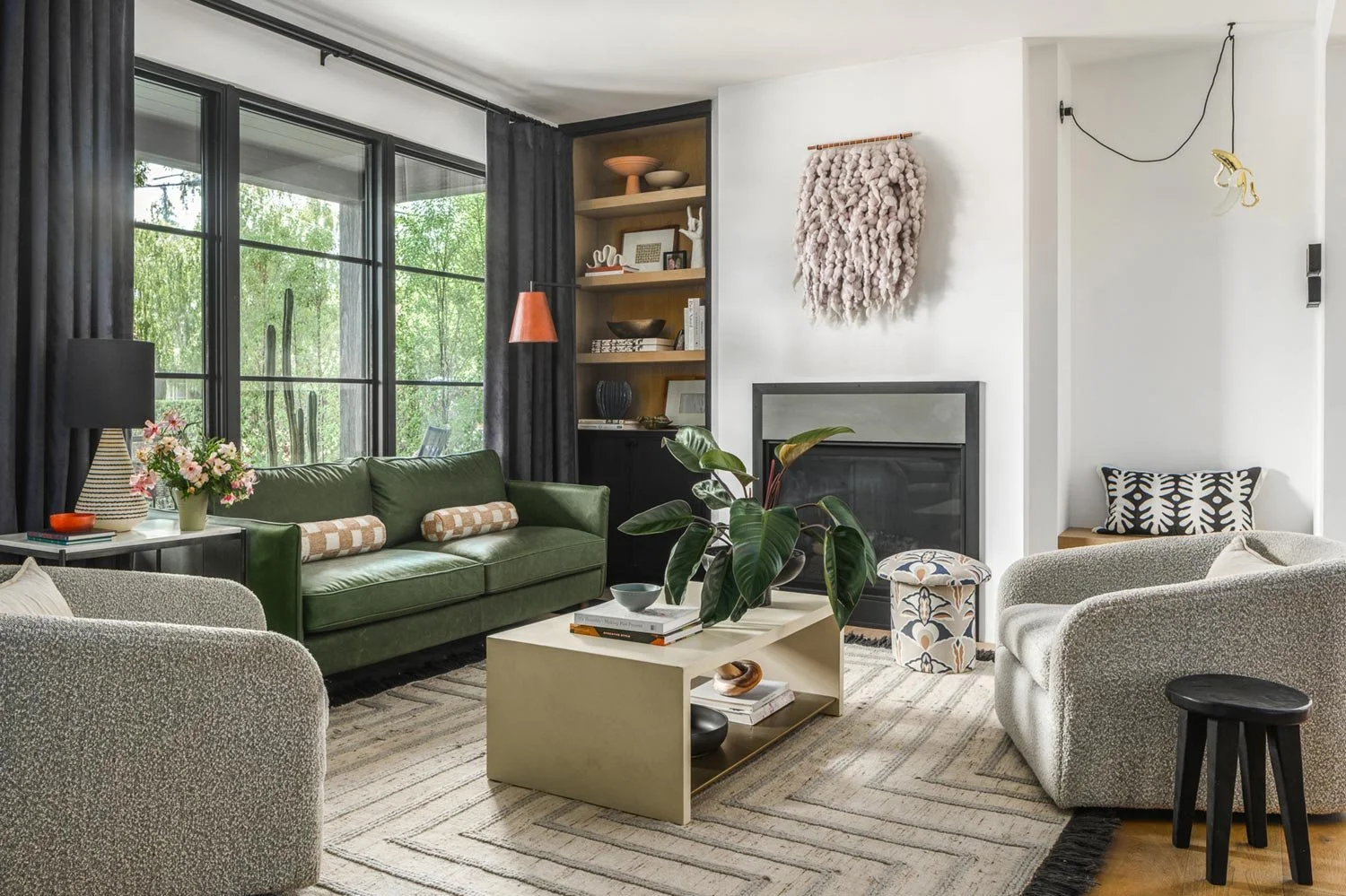
Great design isn't just about beautiful homes, it's about building a great partnership. Here's what I've learned after designing homes across the Peninsula and the Bay Area.
One of the first questions people ask me is, "What's the secret to a successful project?" They usually expect the answer to be a bigger budget, better materials, or an unlimited timeline. But after more than fifteen years designing homes, I've found that's rarely what determines the outcome.
I've worked on projects ranging from major renovations to custom homes valued well into the eight figures, with construction timelines stretching from 18 months to three years. Whether it's a $500,000 remodel or a $10 million+ new build, the projects that turn out the best almost always have one thing in common: a strong partnership between the client and the design team.
The best interior design projects aren't determined by the size of the budget—they're shaped by the strength of the partnership between the homeowner and the design team. Bringing your interior designer in early allows important architectural and construction decisions to support your long-term vision. Trust, open communication, timely decisions, and a shared commitment to the process keep projects moving smoothly and produce homes that feel thoughtful, personal, and built to last. The most successful clients don't simply hire a designer: they collaborate with one.
Trust Is the Foundation of Every Great Project
People often assume the biggest difference between a good project and a great one is the budget. I don't think that's true.
Over the years, I've worked with clients who had unlimited budgets and others who were incredibly thoughtful about every dollar they spent. The projects that stand out weren't defined by the size of the investment—they were defined by the relationship.
I often say there are two kinds of clients: clients with funds, and clients with trust. The sweet spot is having both, but if I had to choose one, I'd choose trust every time.
Trust doesn't mean saying yes to every idea I present, and it certainly doesn't mean stepping away from the process. It means you've done your homework before hiring your designer, you've found someone whose work and process you genuinely believe in, and once we're working together, you allow us to lead where our expertise adds value.
I also see two patterns that rarely end well.
One is the client who wants to approve every tiny decision, second-guess every recommendation, and continually revisit choices that have already been made.
The other is the client who disengages completely and expects everything to magically come together without participating.
Neither creates the best outcome.
The strongest partnerships are collaborative. Clients stay engaged, ask thoughtful questions, share honest feedback, and trust us to connect all of the moving pieces into a cohesive whole. That's where the best homes come from.
Read the Contract. Then Read It Again.
I'll admit it, contracts aren't the most exciting part of a design project. But ours isn't just paperwork. It's the roadmap for everything that follows.
Our process lays out exactly how your project will unfold: from design development and construction documentation to procurement, installation, and final styling. It explains how decisions are made, when payments occur, how communication works, and what everyone can expect along the way.
The clients who take the time to understand the process almost always have a smoother experience. Not because they're legal experts, but because they understand how all the pieces fit together before construction begins. It creates alignment. And alignment makes everything easier.
Get Us Involved Earlier Than You Think
If I could give every homeowner one piece of advice, it would be this: Bring your interior designer in sooner. Much sooner!
Some of the most important design decisions happen long before paint colors, fabrics, or furniture are discussed. On a recent Atherton new construction project, we caught a ceiling height that would have completely changed how the primary living room felt. The proportions weren't going to support the scale of furniture the clients envisioned.
Because we were involved during framing, adjusting the plans was relatively simple. Had we discovered it after drywall, the correction would have required major structural work—and a dramatically different budget. Those are the kinds of decisions clients never see. They're also some of the most valuable.
Why Timely Decisions Matter
One of the biggest misconceptions about interior design is that it's mostly selecting beautiful things. The reality is that it's managing thousands of interconnected decisions.
A custom sofa might take six months to build.
A stone slab you love may only be held for a few days.
A contractor can't install cabinetry that hasn't been finalized.
Every decision affects the one that follows.
That's why we encourage clients to stay responsive throughout the project. Most selections can comfortably be made within a couple of days, while certain procurement decisions require same-day approval. It's not about creating pressure. It's about keeping momentum.
Projects move best when everyone is aligned and move together.
The Best Feedback Helps Us Solve Problems
You don't have to speak "designer." One of the most helpful things you can do is simply tell me why something isn't working for you. There's a big difference between:
"I'm not drawn to this finish."
and
"I'm worried this won't hold up with two kids and a Labrador."
One is about personal preference. The other gives us a design problem to solve. Both are valuable—but they lead to different conversations.
I also encourage clients to be thoughtful about outside opinions. Pinterest, Instagram, and well-meaning friends are wonderful sources of inspiration, but they don't know the context of your home, your goals, your budget, or the hundreds of decisions already made.
The strongest projects happen when inspiration starts conversations—not when it changes direction every week.
Stay Curious About Scope
It's completely normal to discover new ideas as your project evolves. In fact, it happens on almost every project. The key is talking about them.
I love when a client says,
"I saw something I really love. Do you think it fits with where we are?"
That's a collaborative conversation.
Adding scope isn't necessarily the problem. Adding scope without understanding the ripple effect on budget, timeline, procurement, and construction usually is. Every decision connects to another. The earlier we can evaluate those impacts together, the better the outcome.
What Makes the Best Client Relationships
The clients I love working with all have different personalities and different styles. What they share isn't who they are. It's how they approach the process:
They bring us in early.
They communicate openly.
They make thoughtful decisions.
They trust the expertise they've hired.
And perhaps most importantly, they actually use their homes.
They host holidays.
Their kids have friends over.
They cook together.
They entertain.
Their dogs claim the best seat in the house.
Those are my favorite projects because they're designed for real life.
At Nash Design Group, that's always been the goal, not simply creating beautiful rooms, but creating homes that become the backdrop for decades of memories.
That's what a successful partnership looks like. That's when the magic happens.
Frequently Asked Questions
How involved should I be in the interior design process?
Very involved—but not every single day. The best projects happen when clients are fully engaged during key decision points like design presentations, material selections, furniture approvals, and site visits. Between those milestones, our team is busy coordinating with architects, builders, vendors, and trades. That's where trusting the process really pays off. You stay informed, we keep everything moving, and together we avoid decision fatigue.
How do I give feedback without hurting anyone’s feelings?
Honest feedback is one of the most valuable parts of the process! The more specific you can be, the better. Instead of saying, "I don't like this," tell me why. Maybe the finish feels too formal, the color doesn't feel like you, or you're worried about how your kids or pets will use the space. Those conversations help us solve the right problem and create a home that truly fits your lifestyle.
What happens if I change my mind after I've approved something?
It happens—and it's completely okay to ask the question. We'll always walk you through the implications before making a change. Depending on where we are in the project, revisions can affect design fees, lead times, contractor schedules, or material orders. My goal is never to discourage changes, but to make sure you understand the impact so you can make an informed decision.
How much time should I expect to spend on a full-service design project?
Think of it as an investment of both time and trust. Most clients spend a few hours each month reviewing presentations, making selections, and attending occasional site visits. There are periods that require more involvement than others, but we do everything we can to organize decisions, simplify the process, and keep things moving efficiently.
What if I’m not sure I love with one of your recommendations?
Tell me! Some of my favorite design conversations start with a client saying, "I'm not sure about this."
I'll always explain my thinking, show alternatives if needed, and work with you to find the right solution. Great design isn't about winning an argument—it's about creating a home you'll love living in. Open conversations almost always lead to better outcomes than staying quiet until the end of the project.
Is it normal to feel uncertain during the design process?
Absolutely. Designing a home involves hundreds of decisions, and many happen long before you can fully picture the finished result. That's completely normal. My job is to guide you through those moments, provide context, and help you make confident decisions without feeling overwhelmed. You don't have to have all the answers—that's why you've hired a design team.
What's the biggest mistake homeowners make?
Waiting too long to bring in an interior designer.
The biggest opportunities, and often the biggest cost savings, happen before construction is underway. Ceiling heights, room proportions, window placement, lighting plans, cabinetry layouts...those decisions shape how your home will feel for decades. Once framing or drywall is complete, changing them becomes significantly more expensive. The earlier we're involved, the more value we can bring to the project.